


Which ESD Protection Does My Workbench Need?
A plain-English guide to protecting static-sensitive electronics — what an ESD Protected Area is made of, and how to build one to suit your work and budget.
In this guide
1.Why ESD protection matters
Electrostatic discharge (ESD) is one of the biggest causes of damage to electronic components — and it's invisible. A charge generated by ordinary movement or clothing can exceed 20,000 volts, far more than enough to destroy a modern IC, MOSFET or sensitive analogue part on brief contact. Worse, much ESD damage is latent: the component still works when you fit it, then fails days or weeks later in the field.
The answer is an ESD Protected Area (EPA) — a controlled zone where every surface, person and tool is bonded to a common ground, so no damaging charge can build up. This guide explains what an EPA is made of and how to build one to the right level for your work.
2.What makes up an EPA
2.1Personnel grounding
People are the most common source of static. Anyone seated at a bench should wear a tested ESD wrist strap bonded to the common ground point. Anyone standing or moving needs ESD footwear or heel/toe grounders used with an ESD floor. Many workspaces use both.
2.2Work-surface grounding
Bench tops are covered with dissipative ESD bench matting bonded to earth, so any charge on a board or tool is safely drained away. Never place a bare PCB on an ordinary work surface. Standing areas are covered with ESD floor matting or ESD flooring, which works together with ESD footwear.
2.3Grounding infrastructure
Everything ties back to a single earth through common bonding points and earth bonding leads. This infrastructure is what connects mats, straps and people to the same ground — get it right and the rest of the EPA works as intended.
2.4ESD workwear
Ordinary clothing generates and holds static. Dissipative ESD lab coats, jackets and garments control the charge on the wearer's clothing, keeping it away from sensitive components. Essential in any professional or production EPA. See our companion article on ESD lab coats and jackets.
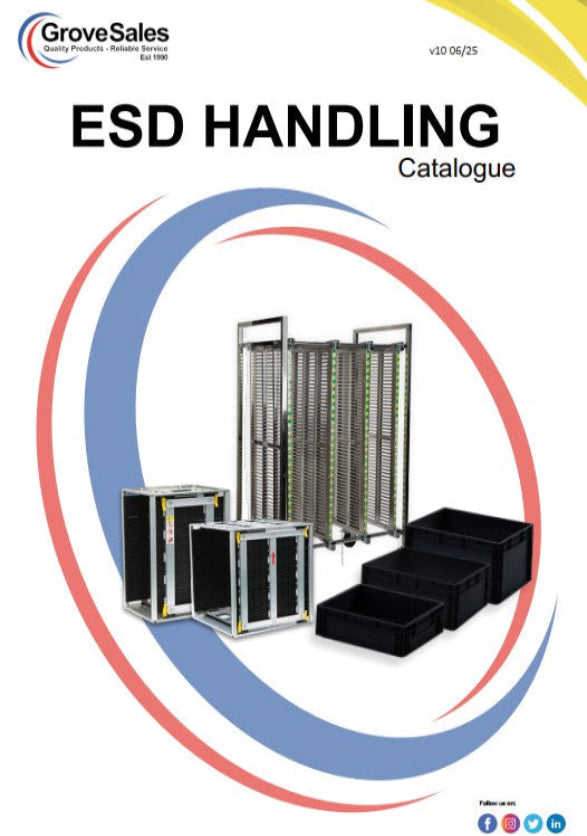
2.5Handling & storage
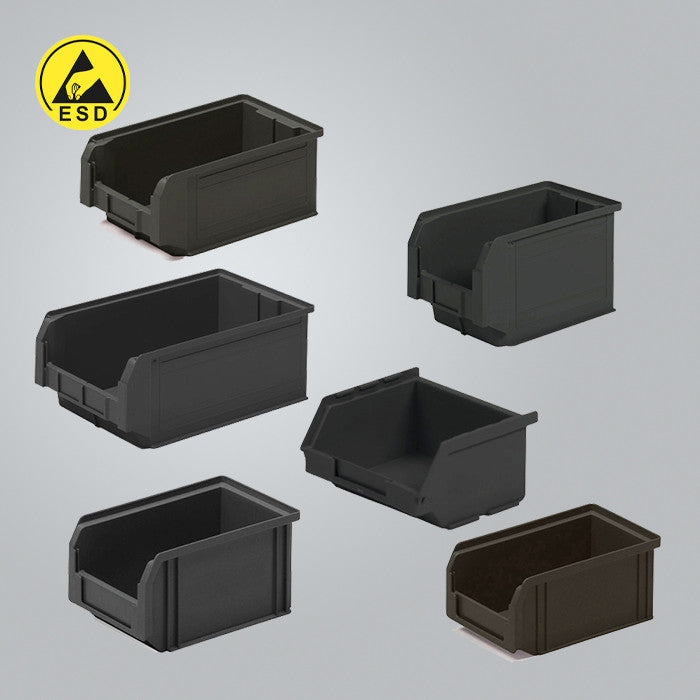
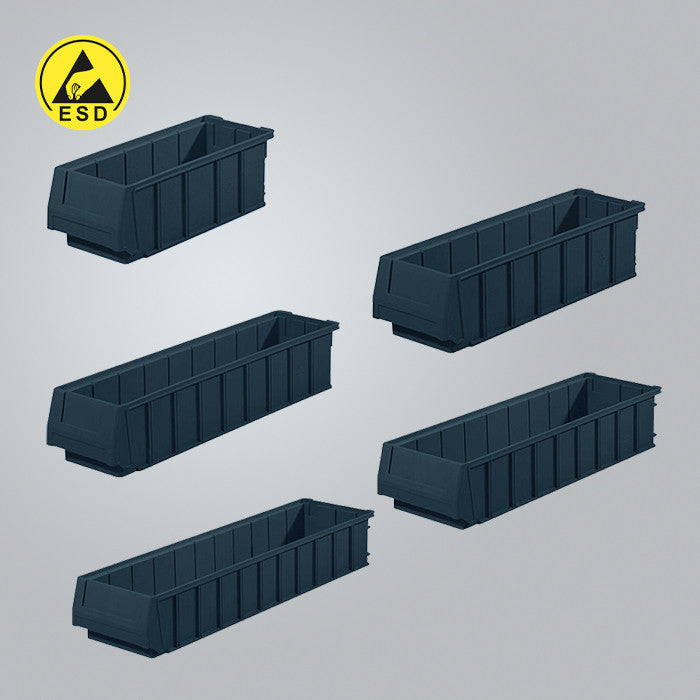
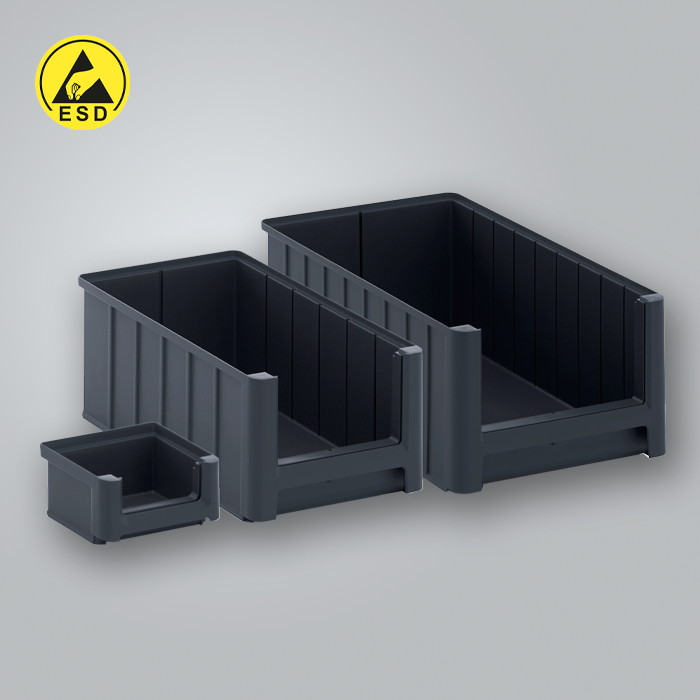
Static-sensitive parts must be stored and transported in ESD packaging — shielding bags, dissipative bins and containers — whenever they leave the protection of the grounded bench. See our article on the importance of antistatic bags for choosing the right type.
2.6Marking the zone
A working EPA is clearly defined and signposted so everyone knows the rules apply. ESD signs, labels and floor marking define the boundary and remind staff and visitors to observe ESD discipline inside it.
3.Building your EPA — three levels
| Level | What it includes | Good for |
|---|---|---|
| 1. Single bench (minimum) | Wrist strap + tester, ESD bench mat + earth bonding lead, shielding bags for parts | Occasional handling, a repair or service bench |
| 2. Standard EPA | Everything above, plus ESD floor matting, ESD footwear / heel grounders, ESD workwear and zone signage | Regular electronics work, a small workshop or lab |
| 3. Full compliant EPA | Everything above, plus bonding points throughout, full personnel grounding, an ESD storage system, and surface-resistance testing with records to BS EN 61340-5-1 | Production lines and ISO / quality-critical environments |
4.Testing & compliance
ESD control in the UK and EU is governed by BS EN 61340-5-1 (internationally, ANSI/ESD S20.20). Compliance isn't a one-off purchase — it's an ongoing discipline of verification:
- Test wrist straps and footwear at the start of every shift (or use continuous monitors).
- Periodically check surface resistance of mats and floors with a surface-resistance meter.
- Keep records of tests and results — essential for ISO 9001 and customer audits.
See our complete guide to ESD testing equipment for what to test and how.
ESD static control essentials

5.Common questions
Do I need a wrist strap or ESD footwear?
Seated work needs a wrist strap. Standing or moving work needs ESD footwear (or heel/toe grounders) used with an ESD floor. Many workspaces use both.
How often should I test?
Wrist straps and footwear every shift; work surfaces and floors periodically. Continuous monitors remove the need for manual strap testing.
Which standard applies?
BS EN 61340-5-1 in the UK and EU; ANSI/ESD S20.20 internationally. Both describe how to set up and verify an EPA.
Is anti-static packaging enough on its own?
No. Packaging protects parts in storage and transit, but handling them requires a properly grounded EPA. The two work together.